THE AVM NJ PROCESS
Inspection
Upon receipt, your parts are in good hands at AVM NJ. Our team completes a thorough intake process to ensure that all aspects of the job are properly defined and documented. Taking this time allows us to offer the highest quality possible and meet required deadlines for our customers.
Parts are first counted, sampled and visually inspected before they are properly cleaned in anticipation for the plating process.
Plating
AVM NJ offers rack, barrel and basket plating on our electroplating processes. This can be defined by you, the customer. Jobs that require ultimate care and handling, are typically racked while larger scales runs on more durable parts often opt for a barrel plate.
Once the plating process begins, our experienced platers manage your job from start to finish. Attention to detail and frequent testing allow us to meet most specifications.
Quality Control
Once plating is complete, the parts are dried, visually inspected, counted, and carefully prepared for shipping. When applicable, parts are tested via XRF X-ray measurement and provided to the customer.
AVM NJ also has capabilities to do various forms of adhesion testing. If you require this for any of your jobs, please just let us know.
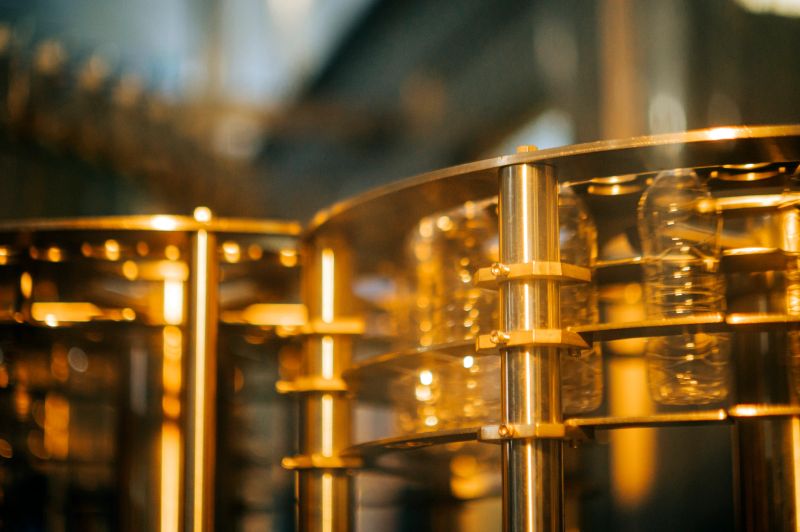
GOLD PLATING
Gold plating plays a critical role in precision manufacturing — not because it aesthetics, but because it solves several real engineering problems that show up at high frequencies.
- Excellent conductivity → It carries electrical signals efficiently
- Doesn’t corrode or tarnish → Unlike copper or silver, it stays reliable over time
- Low resistance connections → Ensures stable performance (important in phones, computers, aerospace)
Gold plating processes:
- GOLD PLATING PER MIL-G-45204
- GOLD PLATING PER ASTM-B-488 (SOFT / HARD GOLD)
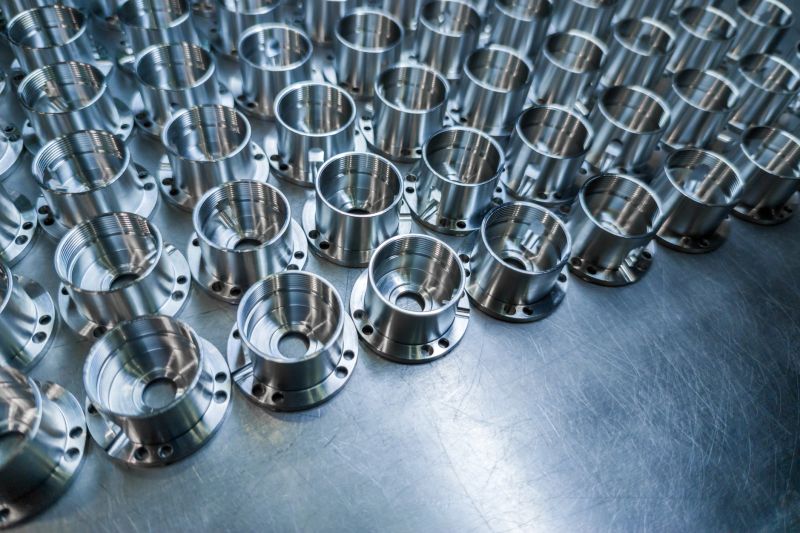
SILVER PLATING
A more affordable alternative to gold, silver is actually the most electrically conductive metal on Earth.
- Efficient current flow → less energy loss
- Ideal for high-power systems → like power grids and industrial equipment
- Used in contacts & switches → ensures strong, reliable connections
Silver plating processes:
- ELECTROLYTIC SILVER PLATING PER QQ-S-365B
- ELECTROLYTIC SILVER PLATING PER ASTM-B-700
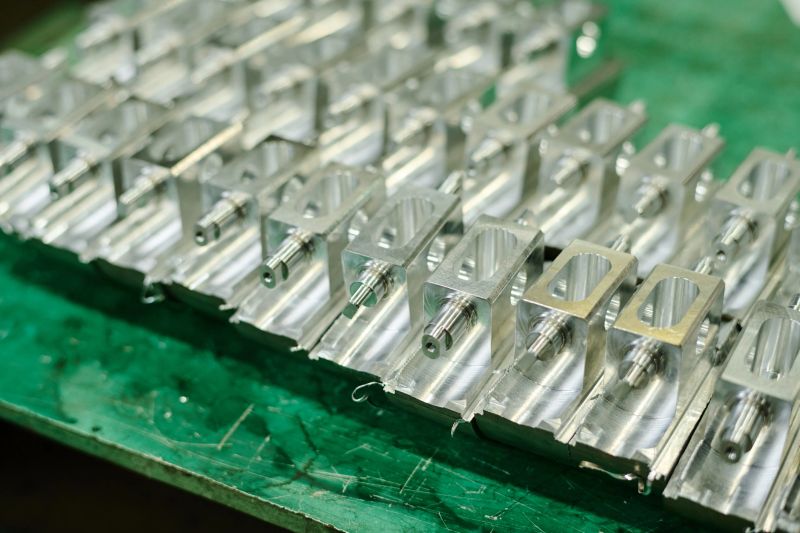
Nickel Plating (Electroless & Electrolytic)
Whether it's your final finish or an underplating for a different finish, Nickel is extremely durable, adaptable and cost-effective.
- Works on many materials and improves adhesion of other types of coatings.
- Provides consistent and stable conductivity
- Increases hardness, reduces wear and abrasion and helps moving parts last longer under stress
Electroless Nickel plating processes:
- ELECTROLESS NICKEL PLATING PER MIL-C-26074 / AMS-C-26074
- ELECTROLESS NICKEL PLATING PER ASTM-B-733 (LOW / MED / HIGH PHOSPHOROUS)
Electrolytic Nickel plating processes:
- ELECTROLYTIC NICKEL PER QQ-N-290
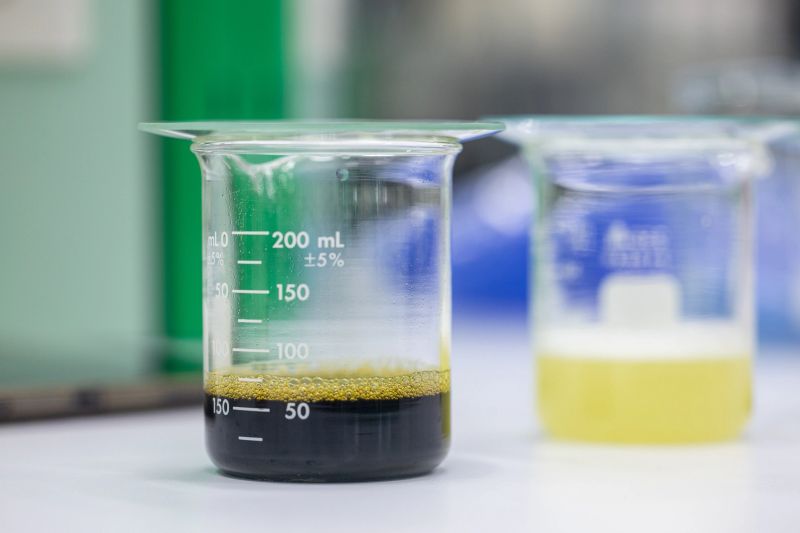
Chemical Conversion (Iridite) Coating
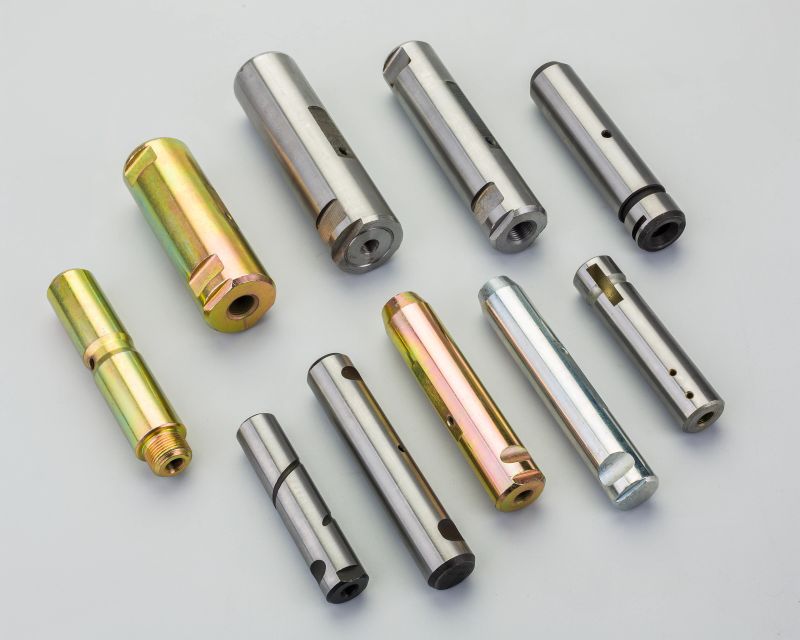
Chemical Conversion Coating (AKA "Iridite) chemically alters the surface to create a durable, thin protective layer—ideal for aerospace, electronics, and automotive parts. At AVM NJ we offer both clear and gold iridite coating.
- Corrosion Resistance: It protects metals like aluminum, zinc, and steel from oxidation and environmental damage, extending component lifespan.
- Electrical Conductivity: Unlike many coatings, it maintains electrical conductivity, which is essential for grounding in aerospace and electronic components.
- Non-Dimensional Protection: Because the coating is extremely thin, it protects without affecting the dimensional tolerances of precision-machined parts.
- Cost-Effective Durability: It is a low-cost, effective method for protecting and improving the durability of metal parts against wear and chemical exposure
Chemical Conversion Coating processes:
- CHEMICAL CONVERSION COATING PER MIL-DTL-5541 (GOLD / CLEAR IRIDITE)
Passivation
Passivation is a critical manufacturing process that improves the corrosion resistance, longevity and hygiene of metal components — particularly stainless steel — by removing surface contaminants and strengthening the protective chromium oxide layer.
- Superior Corrosion Resistance: Passivation removes free iron particles left on the surface by machining, which can cause premature rusting.
Passivation processes:
- PASSIVATION PER SAE AMS2700
- PASSIVATION PER ASTM-A-967